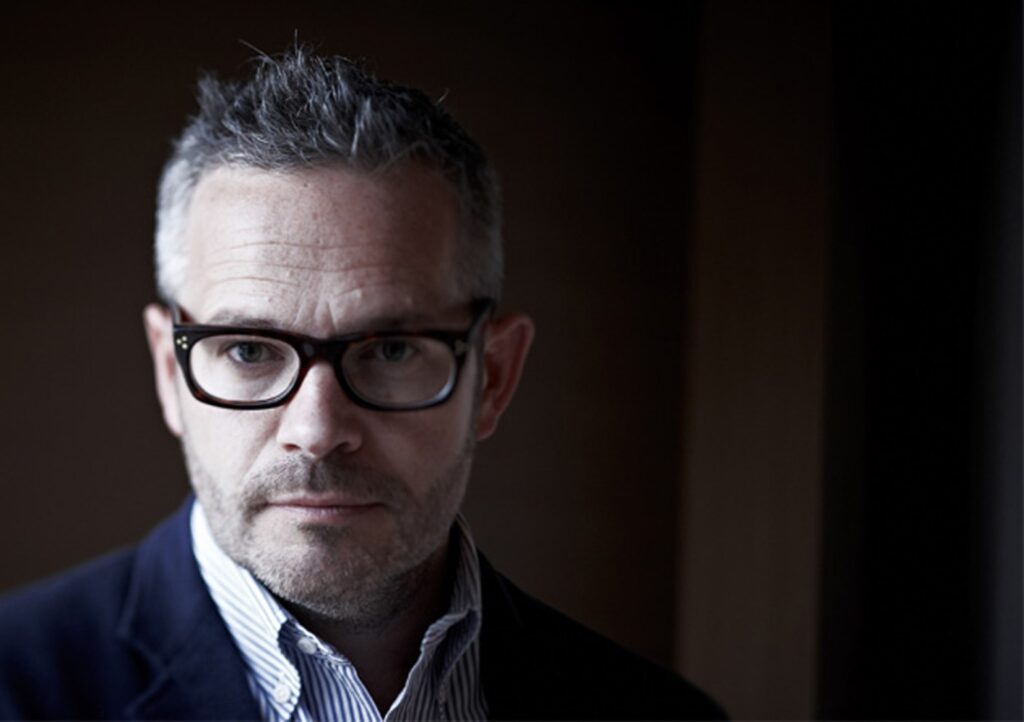
As the founder of Monocle, The Winkreative agency, and the pioneering magazine Wallpaper, Tyler Brûlé has spent decades shaping how the world thinks about design, urbanism, global travel, and modern lifestyle. Sitting down in Zurich, the outspoken publisher, editorial director, and branding visionary reflects on the death of generic design, the enduring power of print, and why the future belongs to cities and brands that retain a distinct sense of local soul.
Muhammad Aljunied: Tyler, looking back at when you launched Wallpaper* in 1996 and later Monocle in 2007, you fundamentally challenged how people viewed media, design, and global living. What was the core frustration with mainstream publishing that drove you to create these titles?
Tyler Brûlé: Everything at the time was far too provincial, grey, and obsessed with dumbed-down trends. In the nineties, lifestyle media was either overly academic or treated readers like they only cared about the most basic consumer goods.With Wallpaper, we wanted to connect the dots between architecture, travel, fashion, and modern design with a crisp, international aesthetic. And when we launched Monocle, the mission went a step further: we wanted to look at the world through the lens of foreign affairs, business, urban planning, and culture. We weren’t interested in making a magazine for tourists; we wanted to build a manual for global citizens who actually care about how cities are run, how transport systems work, and how independent retail adds texture to a neighborhood.
Interviewer: In an era where almost every major media outlet capitulated entirely to digital-first, click-driven models, Monocle doubled down on gorgeous paper, thick spines, tangible physical presence, and even launched a 24-hour radio station and physical retail shops. Why has physical media proven so resilient against the digital deluge?
Tyler Brûlé: Because screens are exhausting, and digital noise is completely disposable. People are desperate for something tactile, permanent, and curated that they can trust.When you pick up a copy of Monocle, it’s an intentional experience—you sit down with a coffee, turn the pages, and immerse yourself in long-form journalism, hand-drawn maps, and serious photography. The digital world is built on speed, outrage, and infinite scrolling, which leaves people feeling empty. Real quality relies on curation, slowness, and authority. If you give people a beautifully crafted physical object with genuine editorial integrity, they will gladly pay for it.
Interviewer: Through your creative agency Winkreative and your deep observations of urbanism worldwide, you’ve advised nations, airlines, and major cities on branding and infrastructure. What do most cities and corporations get completely wrong when trying to build a modern identity?
Tyler Brûlé: They try to be everything to everyone, which results in total sterility. You walk into airports, shopping districts, or new urban developments anywhere from London to Tokyo, and you see the exact same global coffee chains, glass facades, and generic luxury boutiques. It’s soul-crushing.True identity is rooted in local quirks, independent businesses, civic pride, and smart urban design. A great city isn’t measured by how many skyscrapers it has, but by the quality of its public squares, the reliability of its commuter rail, how safe children feel walking to school, and the presence of independent bakers, booksellers, and florists on the high street. If you lose that human scale, you lose the city.
Interviewer: Whether editing magazines, running global retail flagships, or advising international leaders, what core philosophy continues to drive your relentless output?
Tyler Brûlé: Curiosity and a refusal to accept mediocrity. I’ve always believed that life is too short to consume poorly designed media, wear bad clothes, or live in uninspired spaces. Whether you’re building a media brand, designing an airline lounge, or shaping a neighborhood, you have to sweat every single detail. Stay curious, travel wide, respect craftsmanship, and always build things that add genuine value to the world.